
VLAN Configuration in FTTH Networks Explained (Engineer Guide 2026)


Introduction
In modern FTTH networks, VLAN configuration is a critical part of service delivery. Without proper VLAN setup, broadband services like internet, IPTV, and VoIP cannot work correctly.
Internet Service Providers use VLANs to separate and manage different types of traffic efficiently.
In this guide, you will learn:
What is VLAN
Why VLAN is used in FTTH networks
VLAN architecture in GPON
Internet, IPTV, and VoIP VLAN separation
Basic configuration concept for engineers
What is VLAN?
VLAN stands for Virtual Local Area Network.
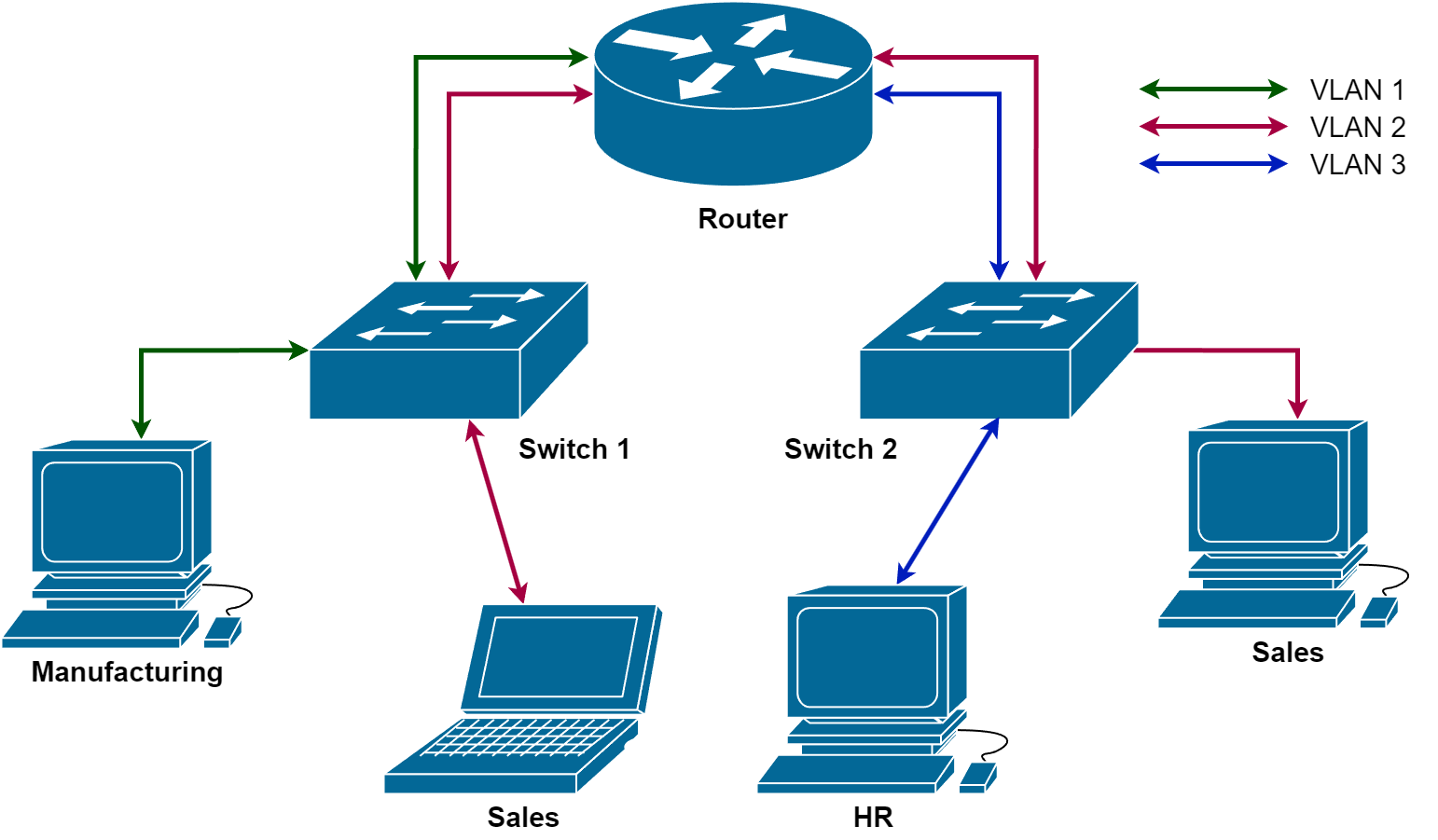
A VLAN allows a physical network to be divided into multiple logical networks.
This means different types of traffic can travel on the same fiber infrastructure but remain logically separated.
Example:
VLAN 100 → Internet
VLAN 200 → IPTV
VLAN 300 → VoIP
This helps ISPs manage services efficiently.
Why VLAN is Used in FTTH Networks
FTTH networks carry different types of services simultaneously. To prevent traffic conflicts and ensure proper routing, VLANs are used.
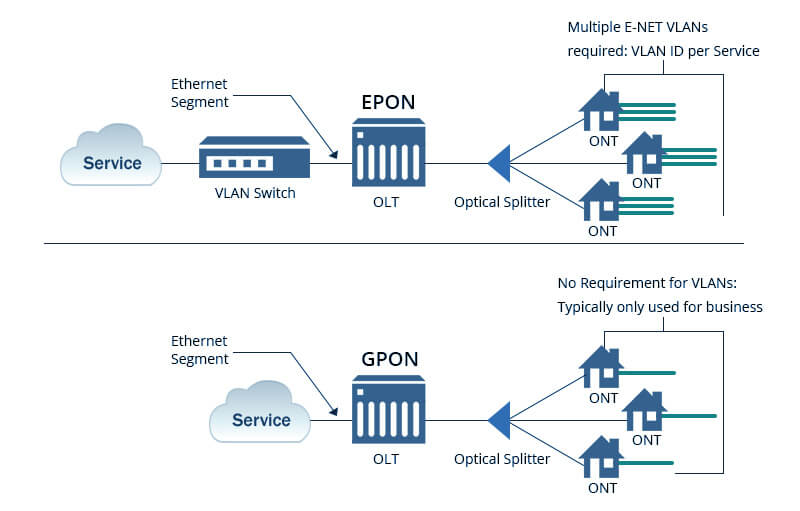
In Gigabit Passive Optical Network (GPON) networks, VLANs are configured at the OLT and mapped to ONT ports.
Benefits include:
Traffic isolation
Better network management
Improved security
Efficient bandwidth utilization
Types of VLAN in ISP Networks
1️⃣ Internet VLAN
Used for broadband data service.
Customer devices access the internet through this VLAN.
Example:
VLAN ID: 100
2️⃣ IPTV VLAN
Dedicated VLAN for television services.
This prevents video traffic from affecting internet speed.
Example:
VLAN ID: 200
3️⃣ VoIP VLAN
Used for voice services.
Voice packets require low latency and high priority.
Example:
VLAN ID: 300
How VLAN Works in FTTH Network
The data flow looks like this:
Customer Device → ONT → OLT → ISP Core Network
At the OLT, VLAN tags identify the service type.
This process is called VLAN tagging.
Each packet carries a VLAN ID so the network knows where it should go.
VLAN Tagging Concept
In Ethernet frames, VLAN tagging adds a small header containing VLAN ID.
This allows switches and routers to identify the correct network segment.
Two common VLAN tagging methods:
Access VLAN – for end-user devices
Trunk VLAN – for network devices carrying multiple VLANs
Basic VLAN Configuration Process
In FTTH networks, VLAN is usually configured at the OLT.
Typical steps include:
Create VLAN ID
Assign VLAN to service port
Bind VLAN to ONT
Configure WAN service
Each ISP may use slightly different configuration commands depending on the OLT vendor.
Example FTTH VLAN Setup
Example network configuration:
Internet VLAN → 100
IPTV VLAN → 200
ONT LAN Port 1 → Internet
ONT LAN Port 2 → IPTV
This allows different services to run simultaneously.
Common VLAN Problems
Engineers sometimes face issues like:
Wrong VLAN mapping
VLAN mismatch
Missing service port configuration
Incorrect ONT profile
These problems usually cause internet or IPTV service failure.
Benefits of VLAN in FTTH Networks
Using VLAN provides many advantages:
✔ Traffic separation
✔ Improved security
✔ Efficient bandwidth management
✔ Easier network troubleshooting
✔ Support for multiple services on single fiber
Without VLAN, managing large ISP networks would be very difficult.
Conclusion
VLAN technology is a core part of modern FTTH and ISP networks.
By logically separating network traffic, VLAN allows multiple services like internet, IPTV, and VoIP to run smoothly on the same fiber infrastructure.
Understanding VLAN configuration is essential for every FTTH engineer and network administrator.
As fiber networks continue to grow, VLAN management will remain a key skill in telecom engineering.
SEO Keywords
VLAN in FTTH network
VLAN configuration GPON
VLAN tagging explained
FTTH VLAN architecture
ISP VLAN setup guide
GPON VLAN internet IPTV
Suggested Blogger Tags
FTTH
VLAN
GPON
Fiber Network
ISP Technology
OLT Configuration
Broadband Internet
Telecom Engineering

0 Response to "VLAN Configuration in FTTH Networks Explained (Engineer Guide 2026)"
Post a Comment